
This practical guide turns data into conversation. It’s designed to help groups slow down, explore patterns, and make meaning together—before jumping to conclusions or strategy decisions.
Whether you’re in the early stages of strategic planning, reviewing quarterly performance, or aligning partners across sectors, this toolkit gives you the structure to make sense of data collaboratively and confidently.
What You’ll Discover:
This guide was designed as a companion to the Nonprofit Leadership Self-Assessment. If you’ve already taken the assessment—welcome. The insights you uncovered are the foundation for deeper, more intentional leadership.
If you haven’t taken the assessment yet, you’ll get much more out of this guide once you do. Take the Leadership Assessment here.
Whether you’re navigating change, leading through uncertainty, or building team culture—this tool turns reflection into momentum.
What You’ll Discover:

Ever walked away from a conversation thinking, “That reaction wasn’t really about me…”? You may have experienced projection—a leadership dynamic where someone places their stress, fear, or insecurity onto you instead of owning it.
This strategic guide helps nonprofit leaders recognize and respond to projection without taking on what isn’t theirs to carry. It offers a grounded, empathetic approach to staying clear and confident in moments that could easily become confusing or reactive.
What You’ll Discover

Caught in cycles of leadership frustration or unclear team dynamics? This strategic guide reveals how to shift from “should-y” thinking into curiosity-driven leadership—the foundation of transformative, sustainable nonprofit organizations.
What You’ll Discover

Avoiding difficult conversations or watching team tensions simmer? This strategic guide reframes workplace conflict as your secret weapon—transforming inevitable friction into trust-building, innovation-driving organizational strength.
What You’ll Navigate
Struggling with difficult conversations or team performance gaps? This strategic guide transforms how you approach feedback—moving from avoidance to authentic leadership that accelerates team growth and organizational impact.
What You’ll Master

Caught between urgent demands and long-term vision during organizational upheaval? I’ve developed a comprehensive framework that transforms how you navigate uncertainty—moving beyond reactive firefighting to strategic leadership that deepens your impact and builds adaptive organizational capacity.
What You’ll Discover
Struggling with team engagement or inconsistent results? This practical guide delivers a proven framework to cultivate psychological safety—the cornerstone of innovative, resilient, and impactful nonprofit teams.
What You’ll Gain

Many leaders step in to help by offering answers—often too quickly. In The Coaching Habit, Michael Bungay Stanier makes a compelling case for a different approach: leading through better questions instead of better advice.
This practical, highly accessible book introduces simple coaching habits leaders can use in everyday conversations. By asking less and listening more, leaders create space for ownership, learning, and stronger problem-solving across their teams. It’s a reminder that leadership impact doesn’t come from having all the answers—but from helping others find their own.

Brené Brown’s Strong Ground is a masterclass in leading with courage when the path ahead feels uncertain. Her research on vulnerability, trust, and grounded confidence offers nonprofit leaders a practical framework for staying steady amid change. When you anchor your leadership in values and curiosity—not perfection—you create the conditions for trust, innovation, and collective resilience.
What turns courage into clarity:
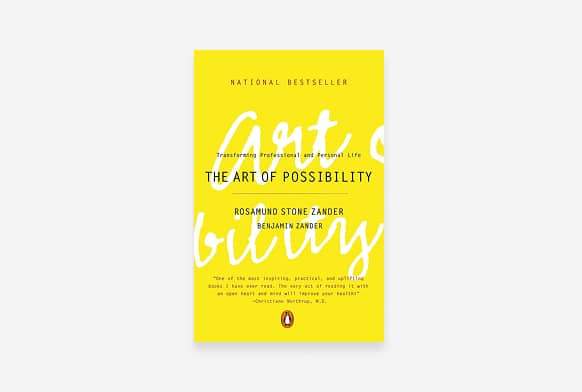
Leadership often gets trapped in scarcity—limited resources, fixed roles, and win–lose thinking. In The Art of Possibility, Rosamund Stone Zander and Benjamin Zander invite leaders to see their work, their teams, and themselves through a more expansive lens.
Blending leadership insight with stories from music, coaching, and organizational life, this book offers practical distinctions that help leaders shift from comparison to contribution, from control to possibility. It’s not about ignoring reality—but about changing the frame through which we interpret it.
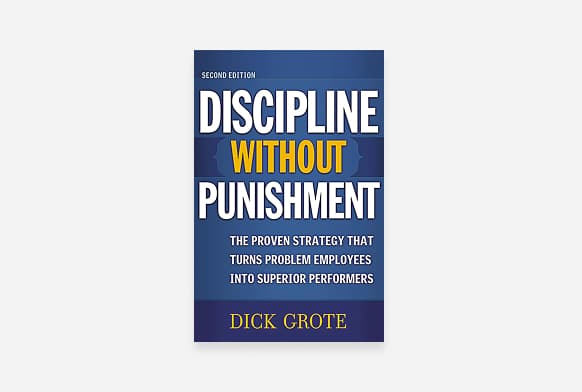
Many organizations confuse discipline with control. In Discipline Without Punishment, Dick Grote challenges that assumption, offering a clear, practical approach to accountability that strengthens trust rather than erodes it.
This book reframes performance management as a leadership responsibility rooted in clarity, fairness, and respect. Instead of relying on punishment or avoidance, leaders learn how to address behavior issues directly while preserving dignity and engagement. The result is a culture where expectations are clear and people are supported to improve.

Leadership is often framed as confidence, authority, and strength. In Radical Humility, Urs Koenig offers a different—and deeply practical—perspective: the most effective leaders pair courage with humility, and strength with self-awareness.
Drawing on real-world leadership experience, Koenig shows how humility isn’t weakness—it’s a discipline. One that helps leaders listen better, learn faster, and build trust in environments shaped by complexity and constant change. This book invites leaders to lead with conviction while staying open, grounded, and human.

When leaders rush to solve problems, they often miss the person doing the thinking. In Coach the Person, Not the Problem, Marcia Reynolds introduces reflective inquiry—a coaching approach that helps people examine their own assumptions, beliefs, and patterns in order to create lasting change.
Rather than offering advice or fixes, this book guides leaders to ask questions that surface insight and awareness. The result is deeper learning, stronger ownership, and more meaningful development—especially in moments when progress feels stuck.

In Ask Powerful Questions, Will Wise and Chad Littlefield explore how the questions we default to often limit connection—and how changing the way we ask can transform relationships, leadership, and culture.
Blending personal stories, practical tools, and insights from neuroscience, the authors introduce a simple, repeatable framework for building trust and psychological safety through better questions. Their Asking Powerful Questions Pyramid™ shows leaders how to move conversations beyond surface-level exchange and into understanding, empathy, and shared meaning.
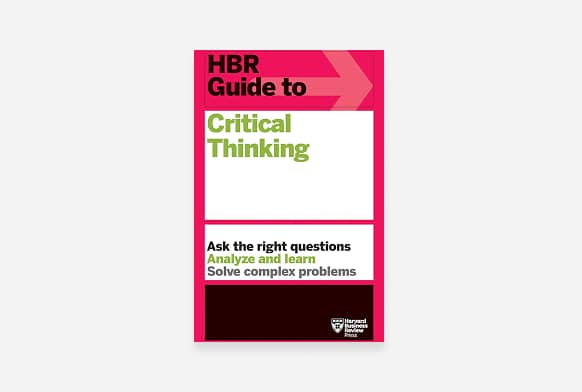
In complex environments, clear thinking is a leadership skill—not a given. The HBR Guide to Critical Thinking helps leaders slow down their thinking, question assumptions, and make better decisions when the stakes are high and the information is incomplete.
Drawing on research and real-world business cases, this guide offers practical tools for analyzing problems, evaluating evidence, and avoiding common cognitive traps. It’s designed for leaders who want to move beyond reactive decision-making and build disciplined, thoughtful approaches to strategy, judgment, and action.

We often know what needs to change—yet find ourselves doing the opposite. In Immunity to Change, Harvard researchers Robert Kegan and Lisa Lahey unpack why personal and organizational transformation can feel so hard, even for experienced leaders.
They reveal how hidden, competing commitments and unexamined assumptions act like an “immune system” that protects us from discomfort—but also from growth. Through reflective exercises and real-world examples, the authors guide leaders to uncover what’s holding them back and build the mindset needed to lead lasting change.
What helps leaders move beyond resistance:

Brené Brown’s Daring Greatly fundamentally shifted how I lead systemic change in nonprofits. Vulnerability isn’t weakness—it’s the birthplace of innovation, creativity, and the kind of authentic leadership that transforms organizations from the inside out.
What creates breakthrough leadership capacity:
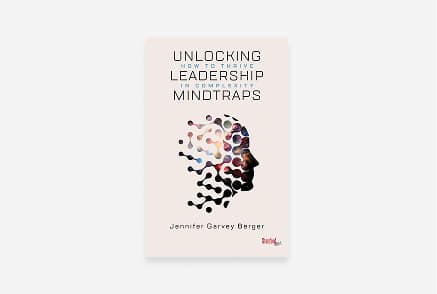
In a world that demands quick answers, leaders often fall into patterns that limit their vision and impact. In Unlocking Leadership Mindtraps, Jennifer Garvey Berger reveals five common mental traps that keep even the most capable leaders stuck—certainty, control, rightness, ego, and agreement—and shows how to navigate them with greater awareness and agility.
Berger offers practical tools and reflective practices that help leaders pause, notice, and reframe their automatic responses. Her approach reminds us that wise leadership begins not with what we know, but with how we think and listen.
What helps leaders break free:
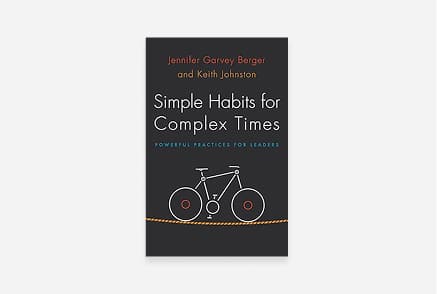
When the world gets more complicated, most leaders respond by working harder—doing more, deciding faster, controlling tightly. But in Simple Habits for Complex Times, Berger and Johnston offer a better way: practical habits that help leaders slow down, listen deeply, and make sense of complexity with clarity and courage.
This book invites readers to shift from reacting to leading—cultivating new ways of seeing, thinking, and collaborating that make space for shared wisdom. It’s a guide for leaders who want to stay steady, curious, and effective when the old playbooks no longer apply.
What keeps leadership grounded in complexity:
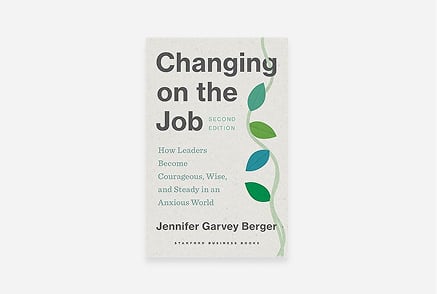
Leadership in today’s world isn’t about knowing all the answers—it’s about expanding our capacity to think, adapt, and lead through uncertainty. In Changing on the Job, Jennifer Garvey Berger offers a powerful framework for how leaders grow internally as their external challenges increase.
Through practical stories and developmental insights, Berger shows that the most effective leaders don’t just build new skills—they transform the way they make meaning. Her approach invites leaders to stay grounded, curious, and compassionate even amid complexity and anxiety.
What makes growth possible:
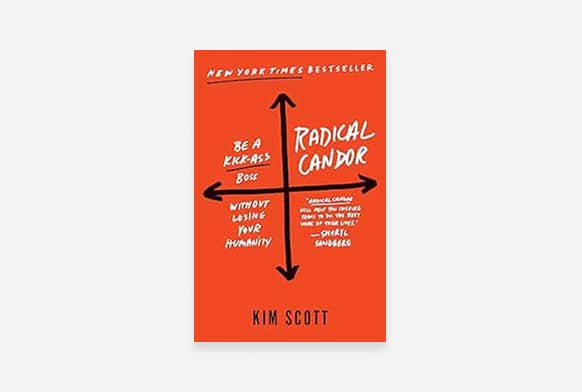
I love Kim Scott’s Radical Candor – it’s a game-changer for nonprofit leaders who want to build trust while driving real performance. This book shows you how to care personally AND challenge directly without losing your humanity.
Key takeaways that transform leadership:

Amy Edmondson’s The Fearless Organization completely shifted how I think about team dynamics in nonprofits. When your team feels safe to speak up, take risks, and admit mistakes, that’s when real innovation happens.
Here’s what transforms organizational culture:

Charles Feltman’s The Thin Book of Trust is my go-to when working with nonprofit teams struggling with accountability. Trust isn’t just nice to have—it’s the foundation that makes everything else possible in high-impact organizations.
What transforms team dynamics:

Timothy Clark’s The 4 Stages of Psychological Safety gave me the roadmap I wished I’d had when transforming my first nonprofit team. When leaders understand how safety evolves—from inclusion to innovation—they can intentionally create environments where breakthrough thinking becomes inevitable.
What accelerates organizational transformation:

Stone, Patton, and Heen’s Difficult Conversations became my secret weapon for navigating the complex stakeholder dynamics that every nonprofit leader faces. When you can transform conflict into collaboration, you unlock your organization’s ability to tackle the conversations that actually drive systemic change.
What turns tension into transformation: